The Exposed and the Invisible: How Writers Are Renegotiating the Deal Between Audience and Self
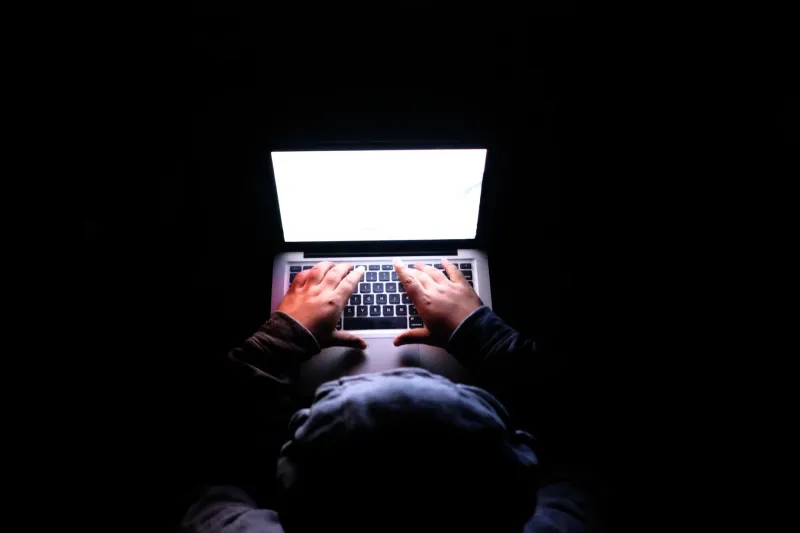
Somewhere between the writer who posts their therapy breakthroughs in real time and the one who publishes under a name their own mother doesn't recognize, there's a question that the literary internet has been circling for years without quite landing on an answer: How much of yourself do you actually owe your audience?
The pressure to perform personal disclosure online didn't invent itself. It grew out of a specific set of incentives that the attention economy spent about a decade carefully constructing. Vulnerability gets engagement. Specificity builds trust. The more a reader feels like they know you, the more invested they become in whatever you make next. These aren't just vibes — they're documented patterns that platforms have optimized for, and writers, consciously or not, have been responding to them.
The results are genuinely complicated.
The Intimacy Economy
There's a version of radical personal disclosure in writing that has a long, legitimate history. Confessional poetry, autofiction, the personal essay — these are real traditions with real artistic stakes. The difference now is the feedback loop. When Sylvia Plath wrote The Bell Jar, she wasn't watching real-time engagement metrics on her most vulnerable chapters.
Contemporary writers are. And that changes things in ways that are hard to fully articulate but easy to feel.
A novelist who runs a popular Substack — she asked that we not use her name, which is its own kind of irony — described the experience of discovering that her most-read posts were always the ones where she disclosed something painful. "I wrote this thing about my divorce that I almost didn't publish," she said. "It got three times the opens of anything else I'd ever sent. And I genuinely couldn't tell if I'd written something true and important or if I'd just figured out how to feed the machine."
That uncertainty — the inability to distinguish authentic expression from optimized performance — is something a lot of writers are sitting with right now.
The Delete Button as Creative Act
For some, the response to that uncertainty has been dramatic and deliberate. Over the past few years, a quiet but notable number of writers have executed what can only be described as digital disappearances — deleting social media accounts, shutting down newsletters, pulling author websites offline, and in some cases publishing subsequent work under entirely new names.
The reasons vary. Some describe a kind of creative suffocation that came from writing inside the awareness of an audience. Others talk about the way that sharing personal narrative publicly created a feedback loop that started to distort their actual sense of self. A few simply got scared — by harassment, by the permanence of having made intimate things public, by the way the internet's memory works.
"I had built this whole online presence around a particular version of myself," said one poet who deleted her accounts in 2022 after nearly a decade of active literary social media presence. "And I realized I'd started writing to protect that version of myself rather than to actually say anything true. The audience I'd built was kind of holding me hostage."
Her work since the deletion, she says, has been the most honest writing she's ever done. It's also reached far fewer people. She's made peace with that trade.
Shadow Writing and the Freedom of Nobody Knowing
The practice of writing under pseudonyms is as old as literature — George Eliot, anybody — but it's taken on new texture in the social media era. What's emerging now isn't just the occasional pen name for genre flexibility. It's a deliberate strategy that some writers are calling "shadow writing": maintaining a public identity under your real name while doing your most experimental, most personal, or most commercially risky work under a completely separate pseudonym with no traceable connection.
The appeal is obvious. A pseudonym lets you fail without consequence. It lets you write in a genre your literary reputation doesn't support. It lets you be honest in ways that your actual identity — employer, family, previous public statements — makes impossible.
What's interesting is how the practice is evolving. Some shadow writers are building entire second careers, complete with separate social media presences, separate reader communities, and separate publication histories. The pseudonym isn't a mask so much as a different room in the same house.
"My real name work is pretty literary fiction, pretty serious," one writer told us, speaking on the condition that we obviously not reveal their pseudonym. "My other name writes genre stuff that I love and that makes actual money. Neither audience knows about the other. Both versions of me are completely real."
Weaponized Vulnerability and Where It Leads
On the other end of the spectrum are the writers who have leaned into disclosure so fully that it's become inseparable from their brand. This isn't necessarily cynical — for many writers, the personal really is the political, and the act of making private experience public is a genuine artistic and even activist choice.
But the writers who've been doing it longest are starting to talk about the costs in ways that feel important to hear. The audience that forms around radical personal disclosure can become demanding in specific ways. Readers who feel like they know you tend to feel entitled to continued access. When a writer pulls back, changes, or simply has a period where they don't want to share, the response can be surprisingly hostile.
"I wrote really openly about my mental health for a long time," one essayist said. "And I don't regret it, because I think it helped people. But there came a point where I started to get better and I didn't want to write about that publicly, and readers were genuinely upset. Like, my recovery was somehow letting them down."
The audience had come for the wound. When the wound started healing, the relationship got complicated.
Rewriting the Deal
What's emerging, slowly, is a more explicit conversation among writers about what the audience relationship actually is — and what it isn't. The idea that building an audience requires continuous personal disclosure is being questioned, not just philosophically but practically, by writers who are finding other ways to build connection.
Some are investing in the work itself as the primary point of contact — letting the fiction or poetry carry the intimacy rather than the author's social media presence. Others are being more deliberate about what they share and why, treating disclosure as an artistic choice rather than an engagement strategy.
None of this resolves the core tension. The attention economy isn't going anywhere. The incentives that reward vulnerability aren't being dismantled. Writers who refuse to participate in personal disclosure will, in many cases, reach smaller audiences than those who don't.
But the writers who are navigating this most thoughtfully seem to have made a specific peace with that reality. The question isn't just how many people are watching. It's whether the person they're watching still recognizably belongs to you.
That's the deal worth protecting.