Lights Out: The Digital Lit Mags That Burned Bright and the Communities Left in the Dark
There's a specific kind of grief that comes with clicking a link you've bookmarked for years and getting a 404 error back. No farewell post. No archive. Just the quiet digital equivalent of a storefront that's been bricked over overnight. For a lot of writers and readers who came up inside the world of experimental online literary magazines, that grief has become a recurring experience.
Since 2021, an estimated three dozen independent digital literary publications have either suspended operations, gone on indefinite hiatus, or simply vanished from the internet. Some of them were scrappy passion projects running on nothing but shared Google Docs and editorial goodwill. Others had actual funding, staff editors, and submission portals that once received thousands of entries a year. All of them were, at some point, somebody's whole world.
The Boom That Set the Stage
To understand the collapse, you have to go back to the moment everything seemed possible. The mid-2010s were genuinely electric for digital-first literary publishing. The cost of launching an online magazine had dropped to almost nothing. Platforms like Submittable made managing submissions manageable. Social media gave new publications instant access to communities that print journals had spent decades cultivating. For a few years, it felt like the democratization of literary culture was actually happening.
Magazines launched around aesthetics, around identities, around specific obsessions — climate anxiety, queer surrealism, the literature of the American South, flash fiction that could be read in a single subway stop. They weren't competing with The Paris Review. They were building something adjacent and, in a lot of ways, more alive.
The problem was that "free to launch" and "free to sustain" are completely different propositions.
Where the Money Wasn't
Most digital lit mags operated on budgets that would make a nonprofit accountant flinch. Grant funding from arts organizations like the NEA or state arts councils was — and remains — brutally competitive, and it tends to favor publications with track records and institutional affiliations. New, experimental outlets rarely checked those boxes.
Advertising revenue, which once propped up even mid-sized digital media companies, essentially collapsed as a viable model for niche literary content. Patreon and subscription models worked for some, but they required an audience willing to pay for something they'd been getting for free — a psychological hurdle that proved harder to clear than most editors anticipated.
Then the pandemic hit. Foundations redirected funding. Individual donors pulled back. The gig economy that had been quietly subsidizing editorial labor — writers and editors doing this work on the side while freelancing or bartending — got destabilized in ways that made unpaid passion projects feel untenable.
"We were running on fumes and enthusiasm," says one former editor of a now-defunct Brooklyn-based experimental poetry journal who asked not to be named. "When the enthusiasm became hard to sustain because everyone's actual life was falling apart, the fumes weren't enough."
What Gets Lost When a Magazine Dies
The obvious loss is the publication itself — the archive of work, the aesthetic vision, the editorial voice that made one magazine feel different from every other. But the subtler loss is the community infrastructure that grew up around it.
Digital literary magazines, at their best, weren't just publications. They were the places where writers first got taken seriously. They were the comment sections and social media threads where readers found each other. They were the editorial relationships that turned into mentorships, collaborations, friendships. When a magazine disappears, all of that connective tissue goes with it.
Some writers have described the experience of losing their first publication home as disorienting in ways that go beyond disappointment. "That magazine published my first real piece of fiction," one writer posted in a literary Discord server last year. "I know it sounds dramatic, but it felt like losing proof that it happened."
The archival problem is real and underappreciated. Unlike print publications, which exist as physical objects that can be preserved in libraries and personal collections, digital magazines are dependent on active maintenance. When a domain lapses and a website goes dark, years of published work can become effectively inaccessible. The Internet Archive's Wayback Machine captures some of it, but inconsistently.
The Ones Still Standing
The publications that have survived the past few years share a few traits that are worth paying attention to.
Diversified revenue is the big one. The digital lit mags that are still publishing in 2024 almost universally figured out how to generate income from multiple directions simultaneously — small subscriptions, merchandise, live events, writing workshops, affiliate relationships with independent bookstores. No single revenue stream is enough. The ones that bet everything on grants, or everything on Patreon, often didn't make it.
Community infrastructure also seems to matter enormously. Publications that built active Discord servers, hosted regular virtual readings, or created genuine two-way relationships with their audiences developed a kind of resilience that purely editorial publications couldn't match. When readers feel like participants rather than consumers, they're more likely to show up financially when things get hard.
Smaller and slower is another pattern. Some of the most durable experimental magazines have deliberately kept their publishing frequency low — a few issues a year rather than a constant content churn — which reduces operational burden and lets the editorial team maintain quality without burning out.
"We publish four times a year and we're proud of that," says the editor of one Midwestern digital journal that's been running for eight years. "We're not trying to be a daily website. We're trying to be a magazine."
What Comes Next
The consolidation happening in digital literary publishing right now isn't entirely a bad thing, even if it feels that way from inside the grief of watching beloved magazines go dark. The publications that survive are, in many cases, getting more intentional about sustainability. The ecosystem is smaller but potentially more stable.
There's also a new generation of editors who've watched the failures of the previous wave and are building differently from the start — with realistic budgets, explicit sustainability plans, and communities that are invested in the publication's survival before it ever faces a crisis.
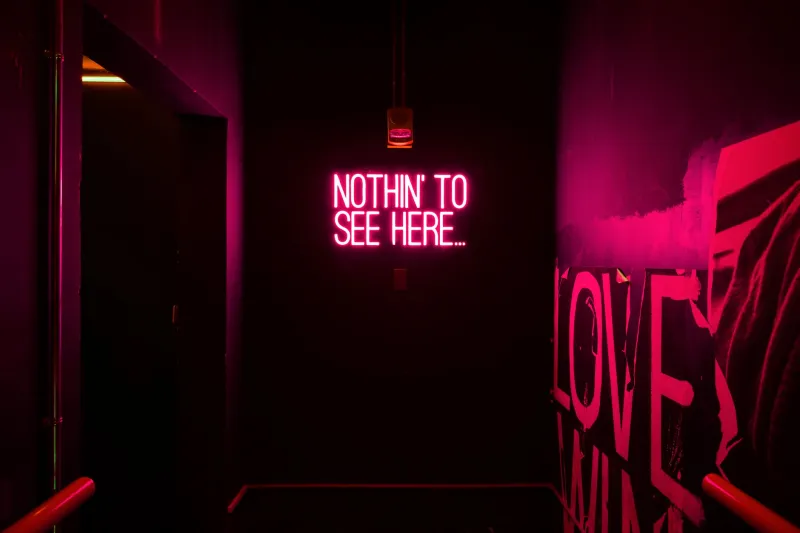
The neon sign doesn't have to go dark. But keeping it lit turns out to require a lot more than just plugging it in.
For the writers who lost their first homes, the communities that scattered when servers went offline, and the editors who gave years to something that no longer exists on the internet — the work mattered. The grief is real. And somewhere right now, somebody is launching something new, probably making some of the same mistakes, and also maybe figuring out something the rest of us haven't yet.
That's always been how this works.